













By Antos
| July 2, 2025

Can dogs eat sweet potato?
The best of everything with this orange vegetable
Dogs can certainly eat sweet potato, as long as it is served pure and well-cooked. Sorry for the puppies, but potato fries are not meant for them. Your dog can enjoy this starchy yet sweet vegetable boiled, steamed, baked or even dried – as incorporated into a dog snack. Always consult your vet before adding anything new to your dog's diet and if you have any doubts.
Are sweet potatoes good for dogs?
Yes! In moderation, sweet potatoes can be a nutritious addition to your dog's bal-anced diet. These are the possible benefits of sweet potatoes for dogs:- They are high in fibre, which promotes good and overall digestion for your dog.
- They are high in beta-carotene, a fantastic antioxidant. Dogs can convert beta-carotene into vitamin A, which strengthens the immune system and supports your dog's vision and skin.
- They also contain protein, vitamins C, B6 and B5, manganese and potassium. Important elements that are essential as building blocks of the body, providing energy and supporting your four-legged friend's important bodily functions.
Shop this story
Can sweet potatoes be bad for dogs?
Although dogs can eat sweet potato as a treat or mix it in with their regular food, you should consider the following before giving your dog sweet potato:
- Raw sweet potato can be a choking hazard. Moreover, it can be difficult to chew and possibly block the gastrointestinal tract. Therefore, dogs should only eat cooked sweet potato.
- Too much can lead to stomach issues. If your dog has never eaten sweet potato before, start with a small amount to see if he shows any negative reaction, such as stomach issues or an allergic reaction. If all goes well, then the portion can be gradually increased.
How much sweet potato can a dog have?
A small dog can eat about 1 teaspoon of cooked sweet potato a day and a larger dog can eat 1 tablespoon – or one to two bite-sized pieces – a day. In general, humane consumption should be considered a treat and treats or rewards should not account for more than 10% of the total calories in your dog's daily diet. The rest should come from complete and balanced dog food. Always consult your vet before giving sweet potato to determine the right portion size for your dog. Even a healthy treat like sweet potato should be included in your dog's optimal daily balanced diet.Shop this story
Here are some tips on how to safely prepare sweet potato for dogs:
- Peel them. The skin of sweet potato can be difficult to digest, so it is better to peel the potatoes.
- Boil, steam, bake or dry them. All these ways of giving sweet potato to your dog are fine! Most importantly, the sweet potato should be cooked and not raw.
- Keep them natural. That means no added milk, cream, butter, oil, salt or other spices.
- Cut into bite-sized cubes. Make sure the cubes are suitable for your dog's weight and size.
- Now that the sweet potato is properly prepared, here are some ways to give it to your pup: as a small snack, mixed through regular dog food or spread on a lick mat.
Dog food and snacks with sweet potato
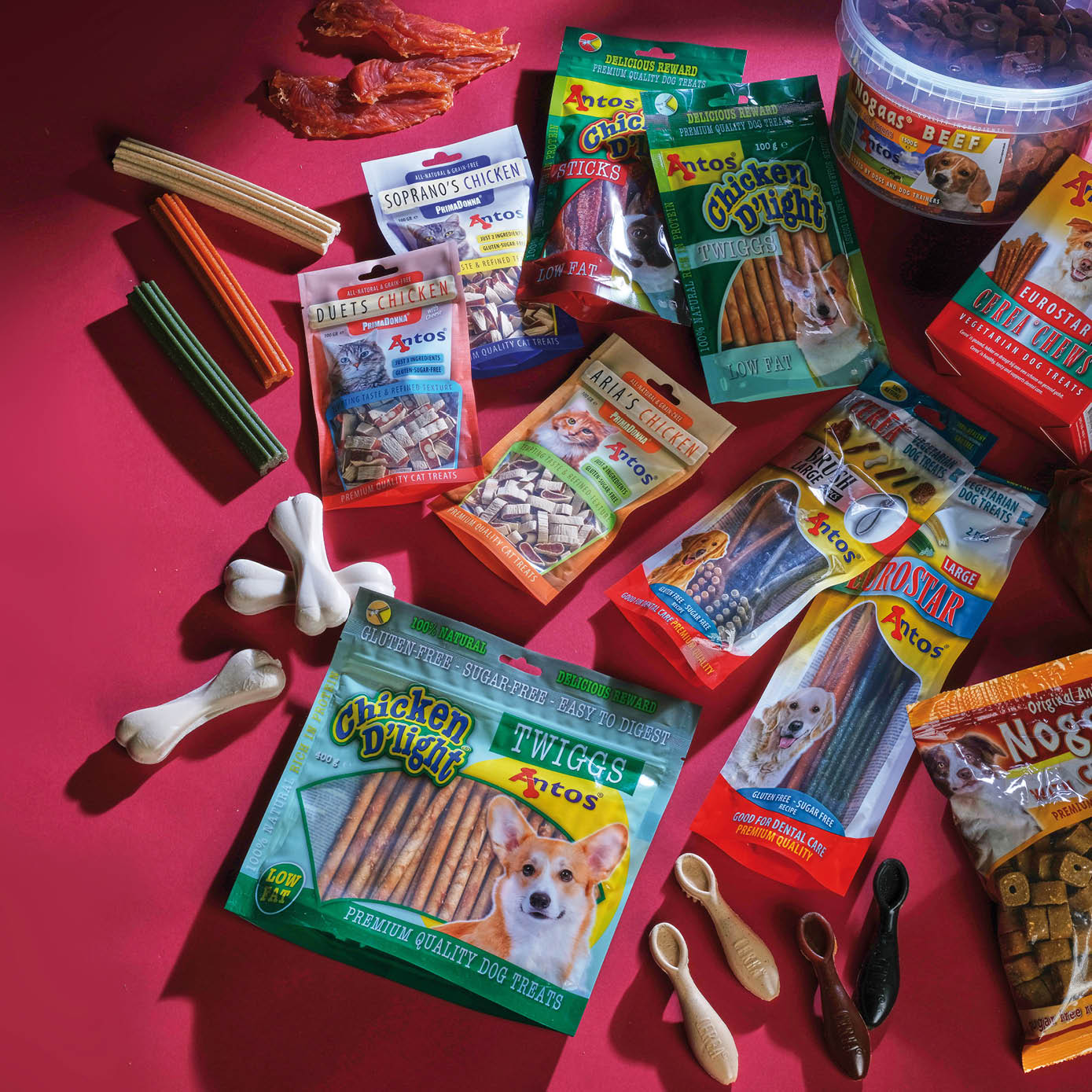
Sweet potato is a common ingredient in dog food and snacks, especially in dog food and snacks suitable for sensitive stomachs and hypoallergenic diets. Here are some of our favourites:
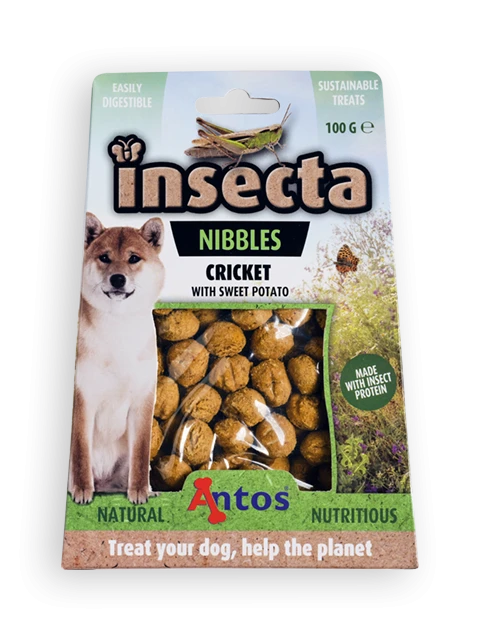
- Insecta Nibbles Cricket & Sweet Potato 100 gr
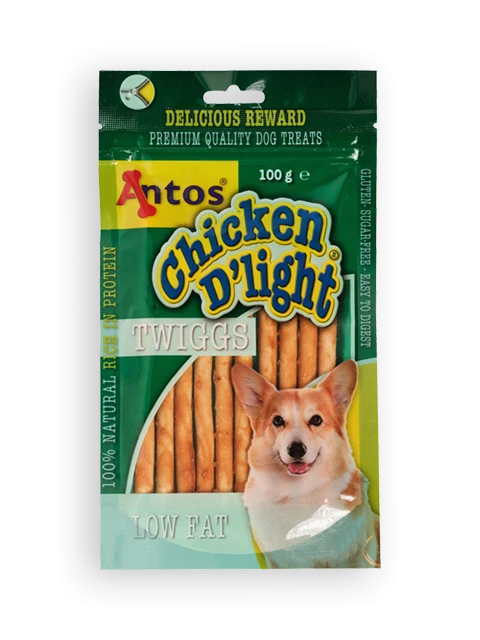
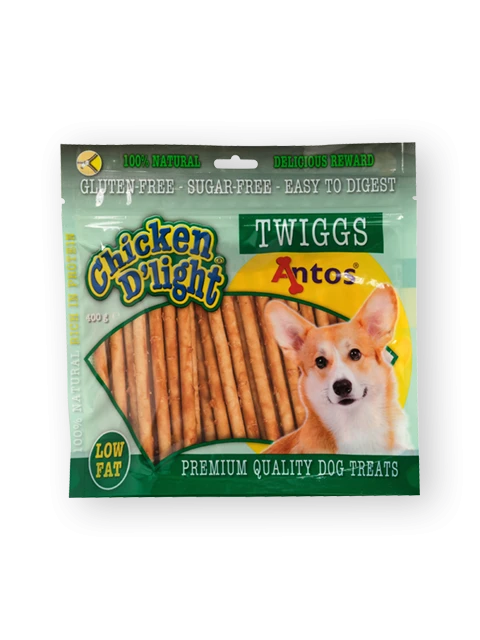
- Chicken D'light Twiggs 100 gr
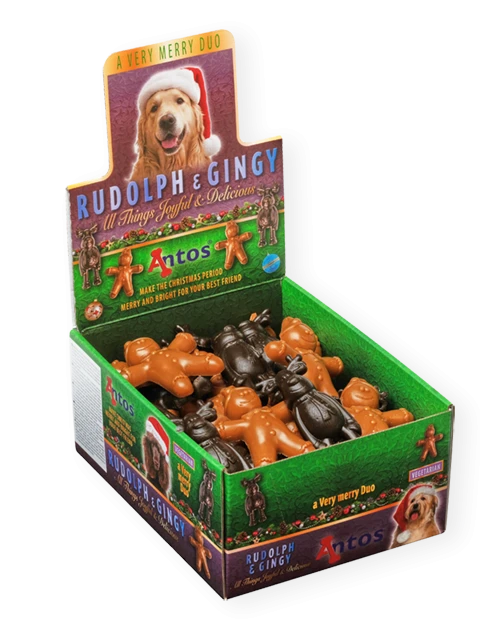
- Rudolph & Gingy
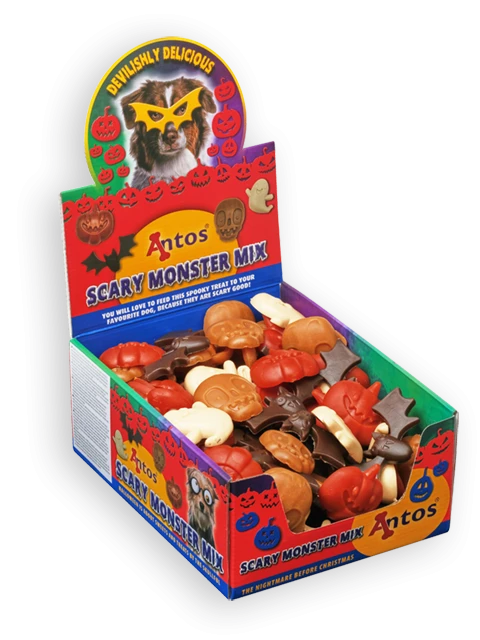
- Scary Monster Mix
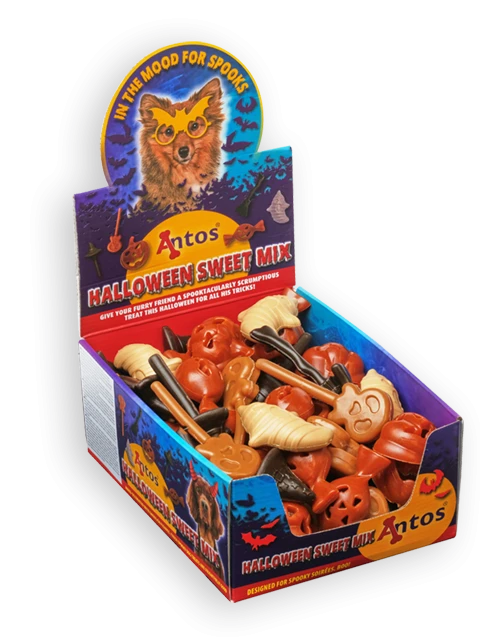
- Halloween Sweet Mix
Dog snacks with high-quality sweet potato as an ingredient, a natural source of nutrients and a healthy addition to their diet. Sweet potatoes are rich in vitamins, fibre and antioxidants, and they are relatively low in calories and fat. Try the recipes and add variety to snack time with your four-legged friend.
Shop this story
The latest

Comparison: natural dog bones vs. nylon chew bones
Dogs naturally love to chew. It’s relaxing and good for their teeth and overall well-being. There are a huge selection of chews to choose from, including all-natural dog bones and synthetic chews like nylon chew bones. But what’s the difference between them and which chew is best for your dog?

What really works against plaque?
Healthy teeth are just as important for dogs as they are for humans. Because plaque and tartar can lead to pain, inflammation and even tooth loss. More and more dog owners are looking for a natural way to keep their dogs’ teeth clean. Special dog bones and chew treats are often the first, simple solution. But what really reduces plaque in dogs?