










By Antos
| October 23, 2025
Comparison: natural dog bones vs. nylon chew bones
What does your dog like to chew?
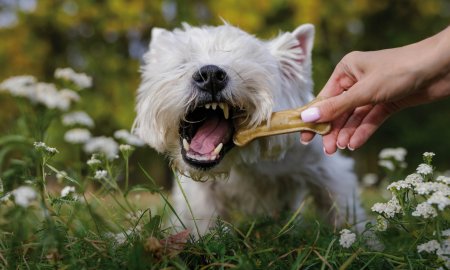
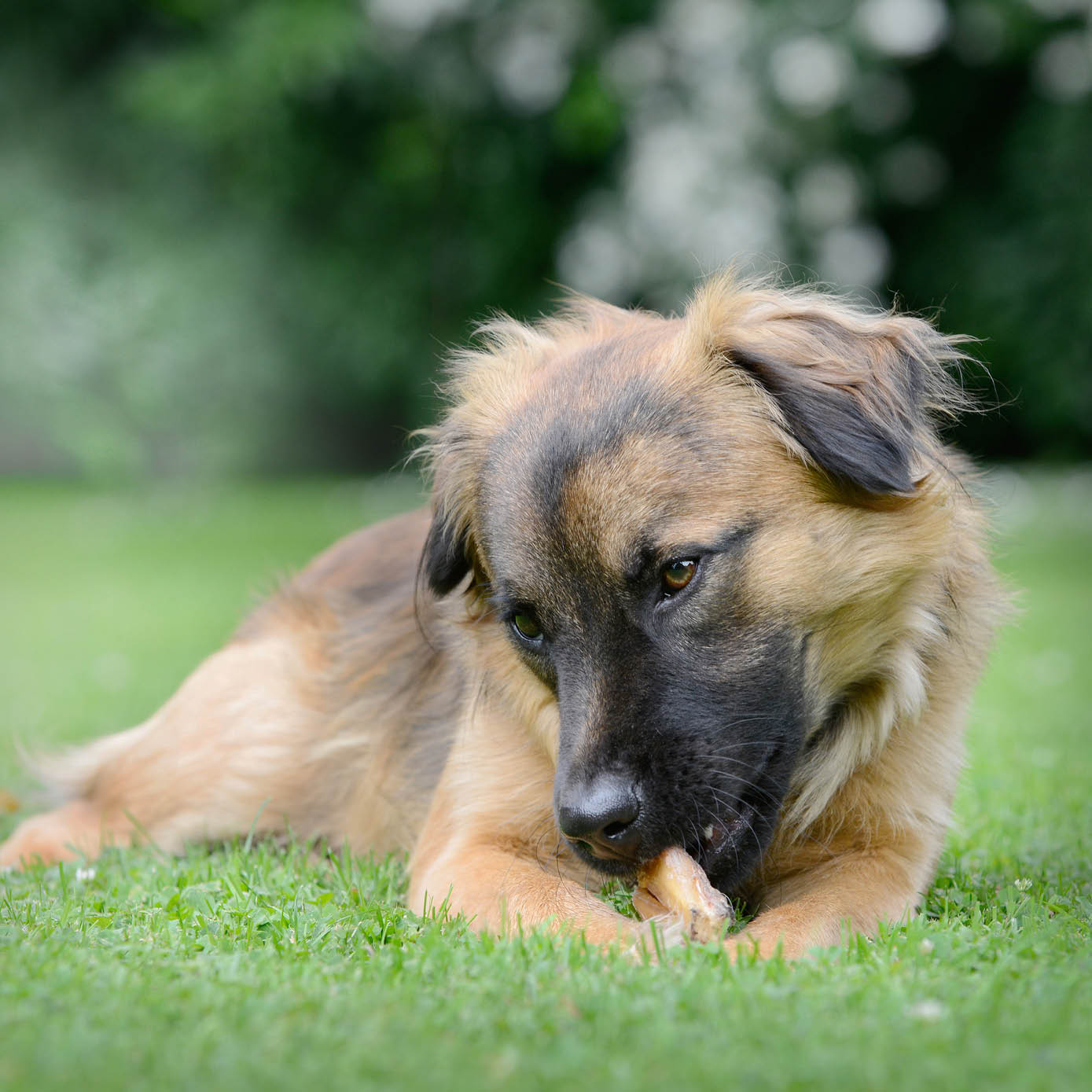
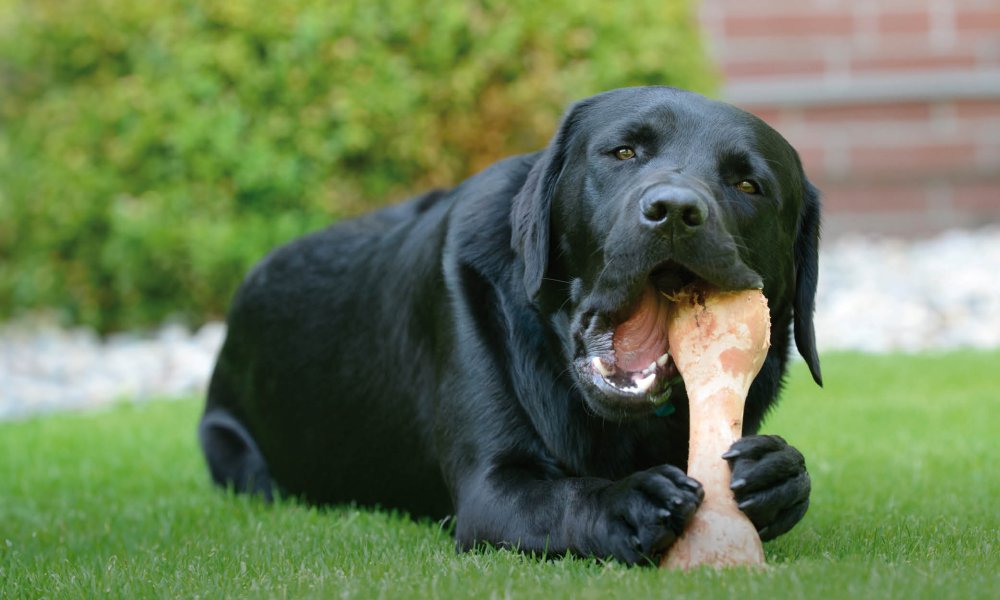
Dogs naturally love to chew. It’s relaxing and good for their teeth and overall well-being. There are a huge selection of chews to choose from, including all-natural dog bones and synthetic chews like nylon chew bones. But what’s the difference between them and which chew is best for your dog?
Natural dog bones: healthy chewing fun
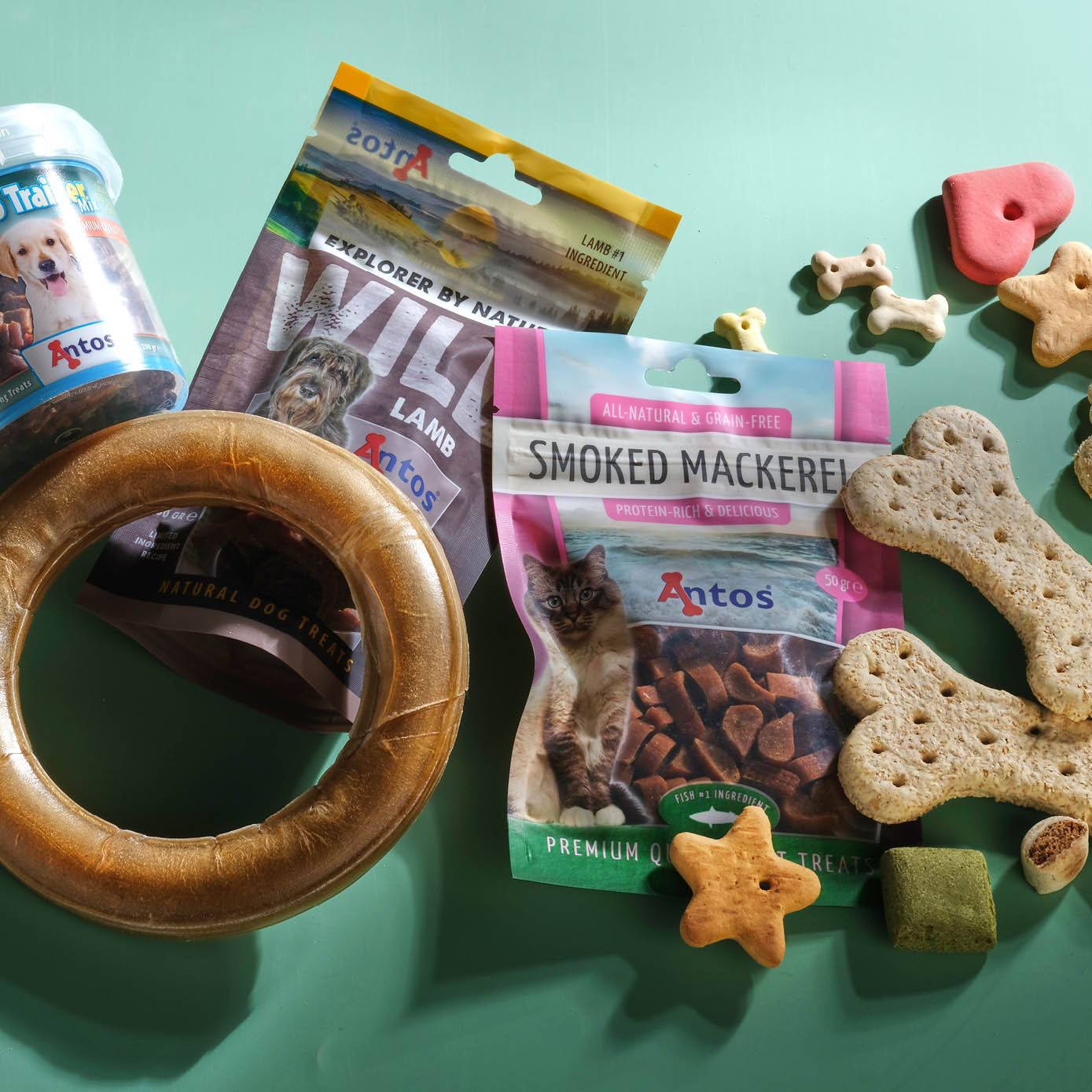
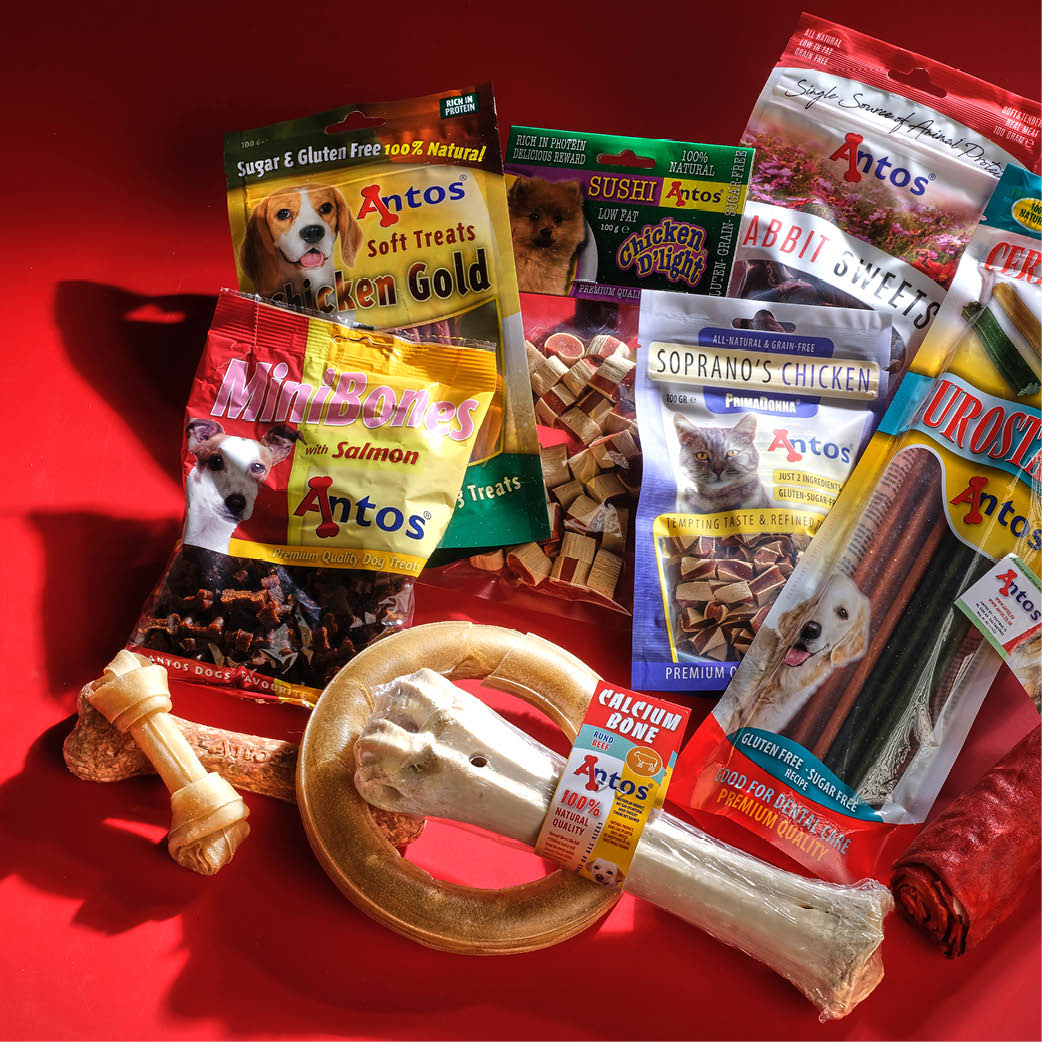
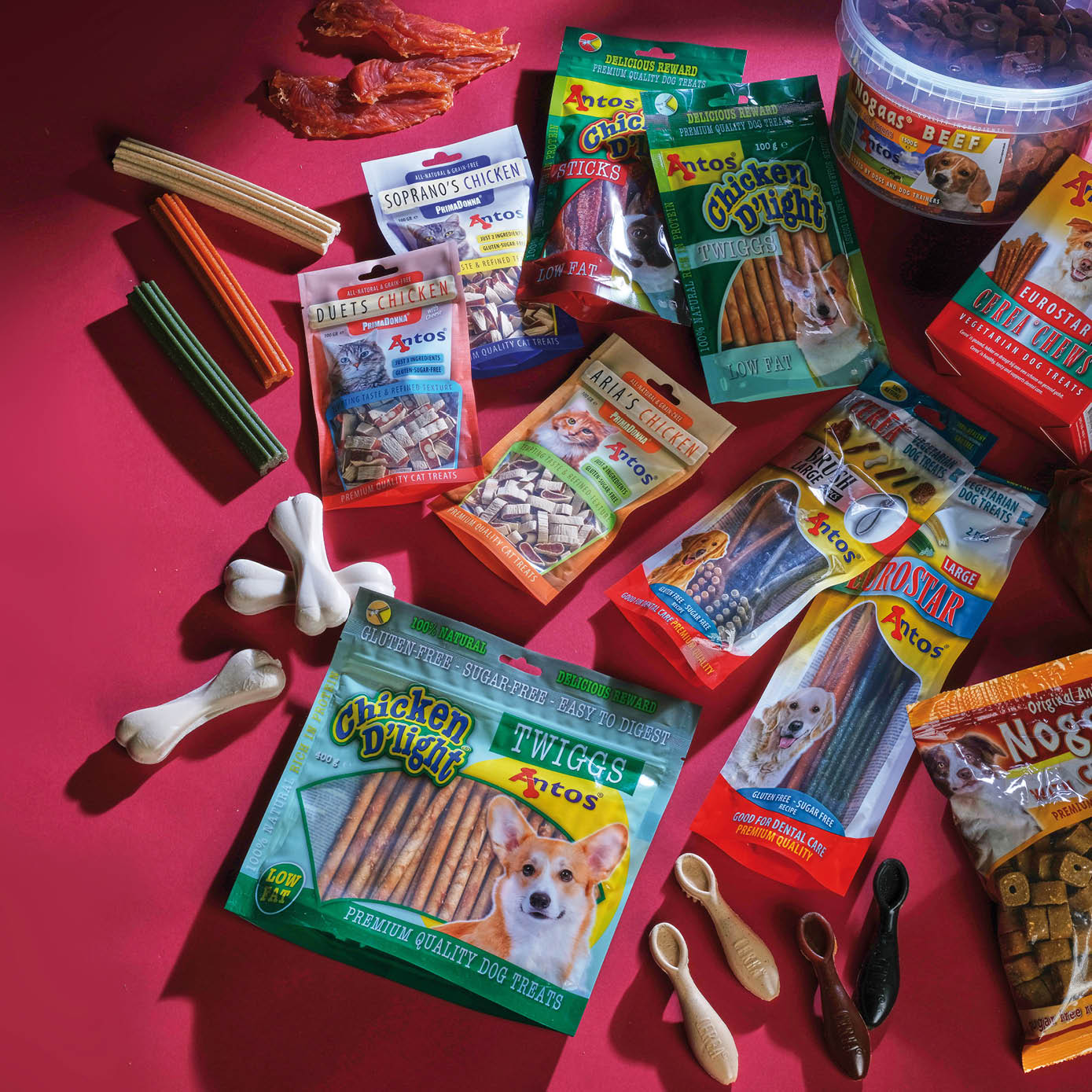
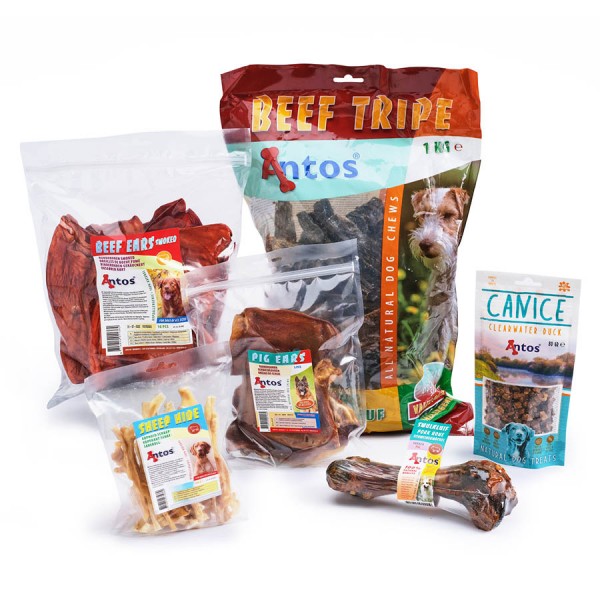
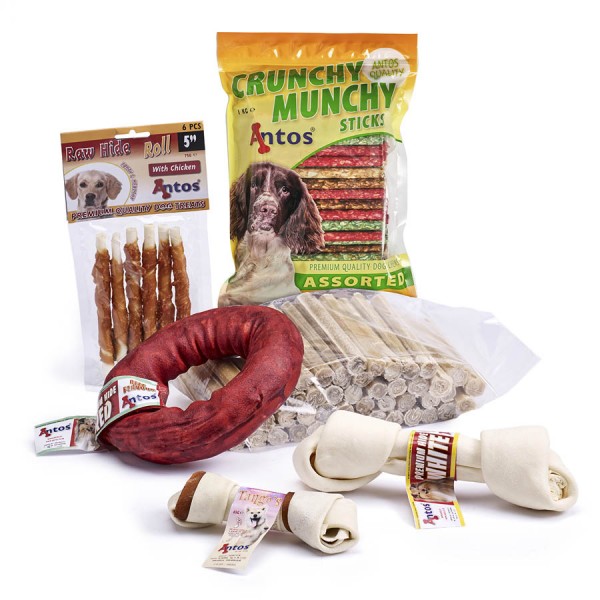
Natural chews are made entirely from animal-based ingredients and protein sources like beef, chicken, pork, venison, lamb or fish. For example rawhide, tripe sticks, pressed bones or deer antlers. Most of these treats are dried and contain no additives (preservatives, etc.).Shop this story
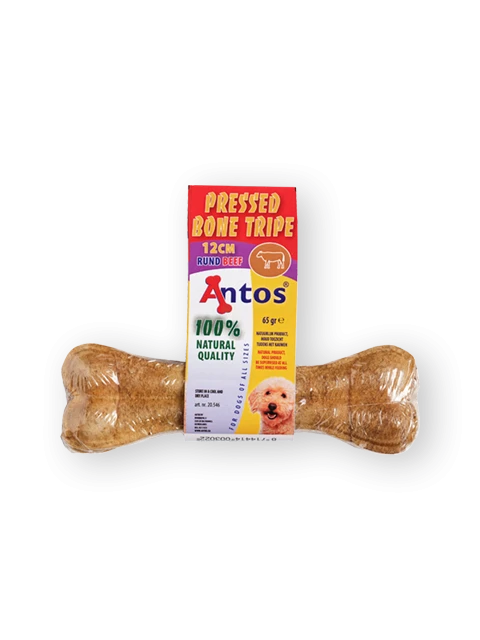
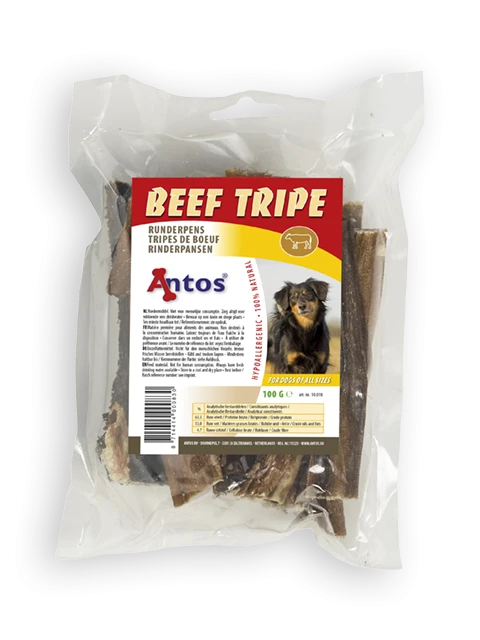
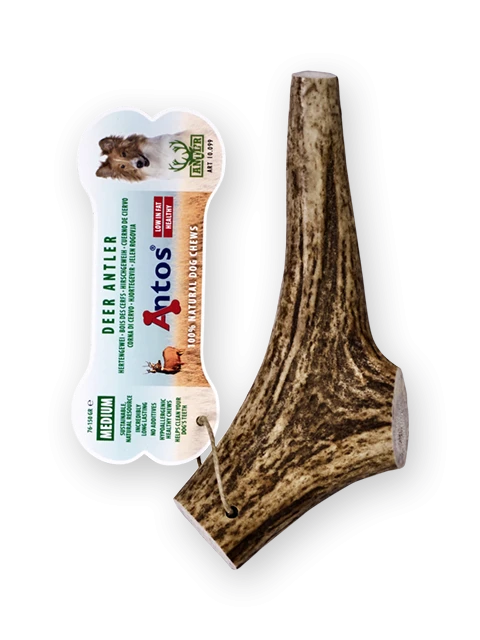
Benefits of natural dog bones:
- Pure and healthy: No artificial aromas, colourings or flavourings. Perfect for dogs with sensitive stomachs or allergies;
- Dental care: Intensive chewing immediately reduces plaque and tartar;
- Nutrient-rich: Natural treats contain valuable nutrients like proteins, vitamins and minerals;
- Plenty of variety in texture and taste: Many dogs have clear preferences; from crunchy to firm and from chicken to beef.
Nylon chew bones: sustainable alternative or less healthy?
Nylon chew bones aren't natural. They are made of durable plastic and designed to last. They give your dog long-lasting chewing pleasure; they aren’t designed to be eaten.
- Durable and clean: Nylon chews are long-lasting and often less messy than natural treats;
- Dental care: Their texture helps them reduce plaque;
- Suitable for strong chewers: Some dogs (usually large ones) get through tasty chew bones in no time at all. Nylon can be an alternative in these situations.
Disadvantages of nylon chew bones:
Nylon chew bones also have several disadvantages compared to natural dog treats. For example:
- Not edible: Nylon dog bones are intended for chewing not eating. Your dog may experience issues if it swallows any pieces of the bone.
- No nutritional value: They don’t contain any proteins, fats or other natural nutrients.
- Artificial (flavour) additives: Artificial flavours are often added to make nylon chew bones more appealing for dogs..
Shop this story
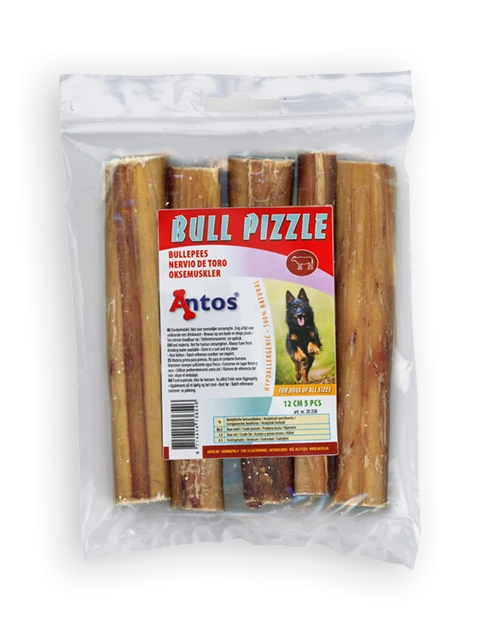
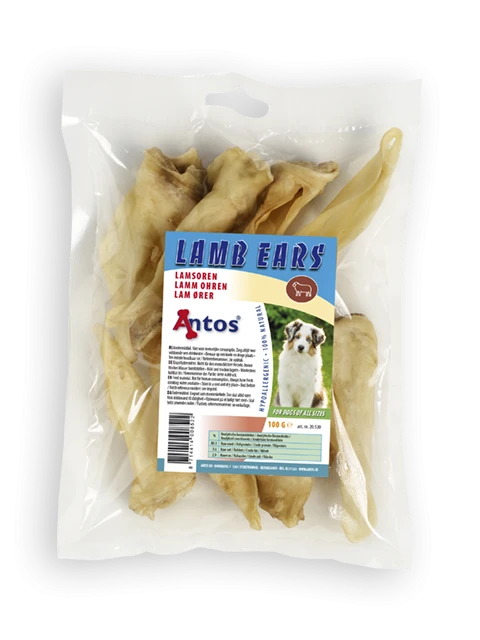
Which bone for your dog?
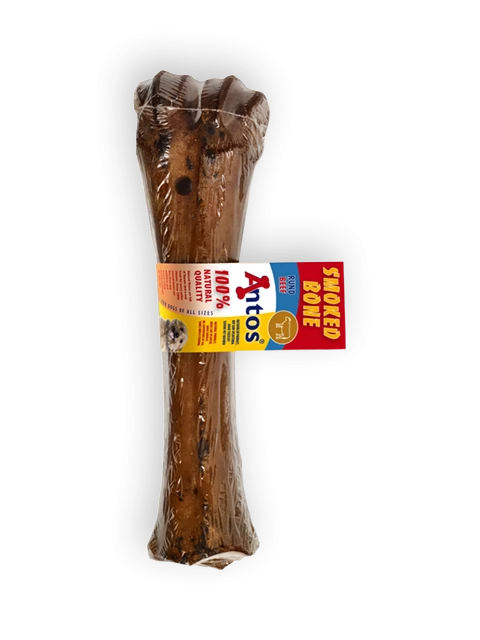
Always start by choosing a treat that’s appropriate for your dog's size, chewing strength and age. Do you like to give your dog treats that are natural, nutritious and digestible? Then choose natural chew treats like natural bones, pizzles and ears. Does your dog have a (very) strong urge to chew and like to chew without eating? Then a nylon chew bone could be a good option, but only under supervision.As you can see, natural dog snacks and nylon chew bones both have their own advantages. Natural treats are often better suited to a dog's needs and provide it with important nutrients.
Shop this story
The latest
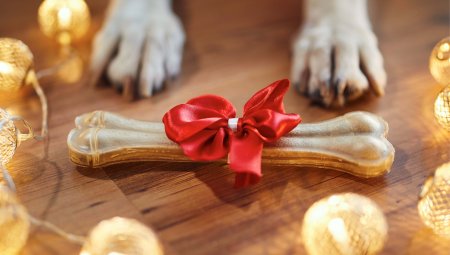
What really works against plaque?
Healthy teeth are just as important for dogs as they are for humans. Because plaque and tartar can lead to pain, inflammation and even tooth loss. More and more dog owners are looking for a natural way to keep their dogs’ teeth clean. Special dog bones and chew treats are often the first, simple solution. But what really reduces plaque in dogs?
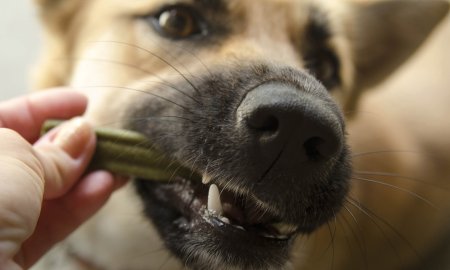
Five safe dog bones
Dog bones are often among the favourite chew snacks of many dogs. They provide hours of chewing fun, contribute to healthy teeth and reduce boredom. Still, not every bone is suitable for every dog. Choosing the right size, type and composition is important for your dog's safety and health. In this article, you will discover five types of safe dog bones and we give you a practical guide to help you decide: which bone really suits your dog?